 Portrait Union
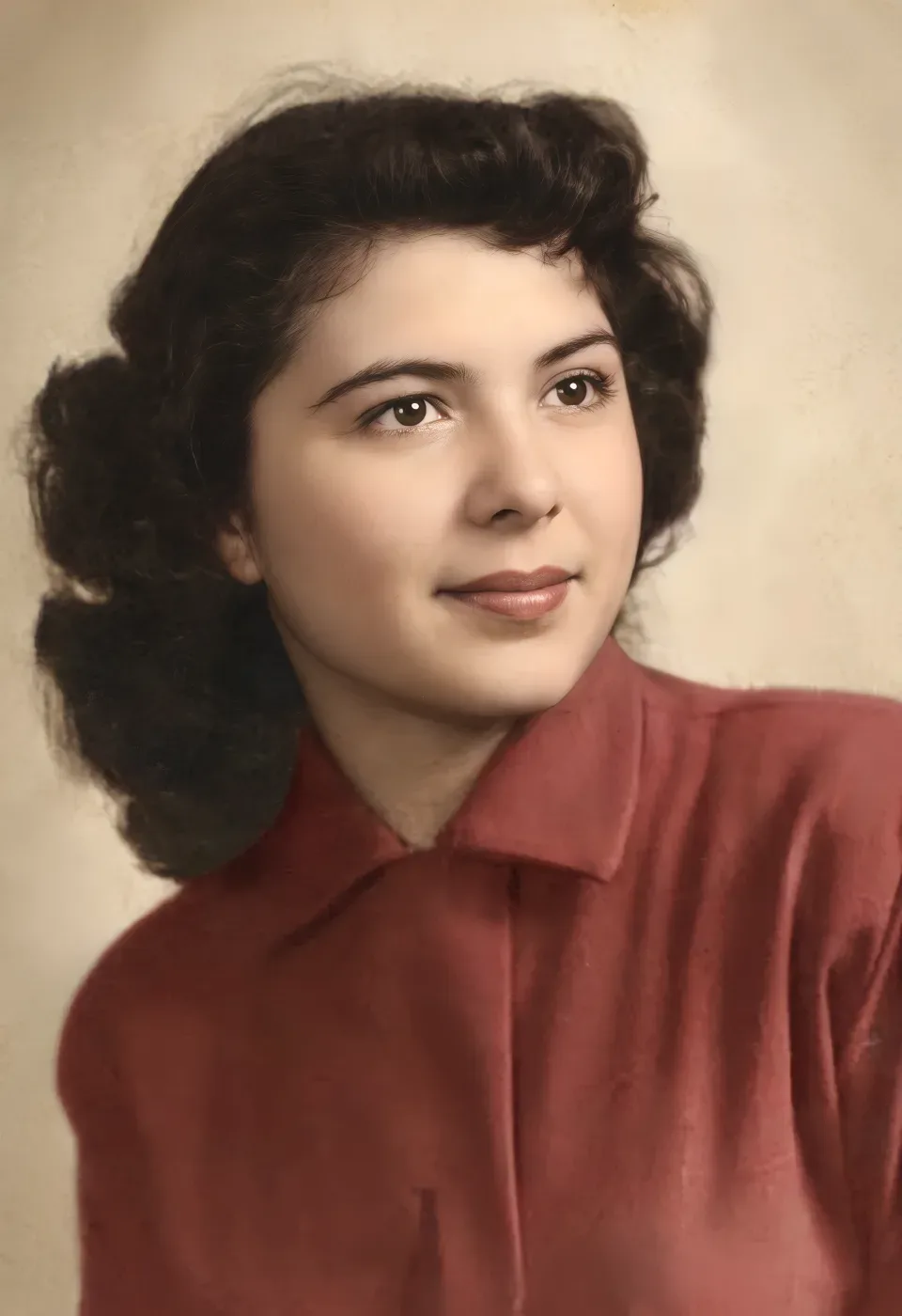
Old photo restoration, finished in colour
Upload a scan or photo of the old print. The restored preview is free.
A flat, well-lit scan or photo of the print. We work from a copy and restore it as it is — in color. JPG, PNG or WebP, up to 15 MB.
A restoration is not cropped to a portrait shape: it keeps the proportions of the photograph you upload, and is trimmed only as far as it must be to reach the nearest shape the model can return. The photo guide shows what the studio does to an upload, from that trim to the pixels you get back.
What restoration does
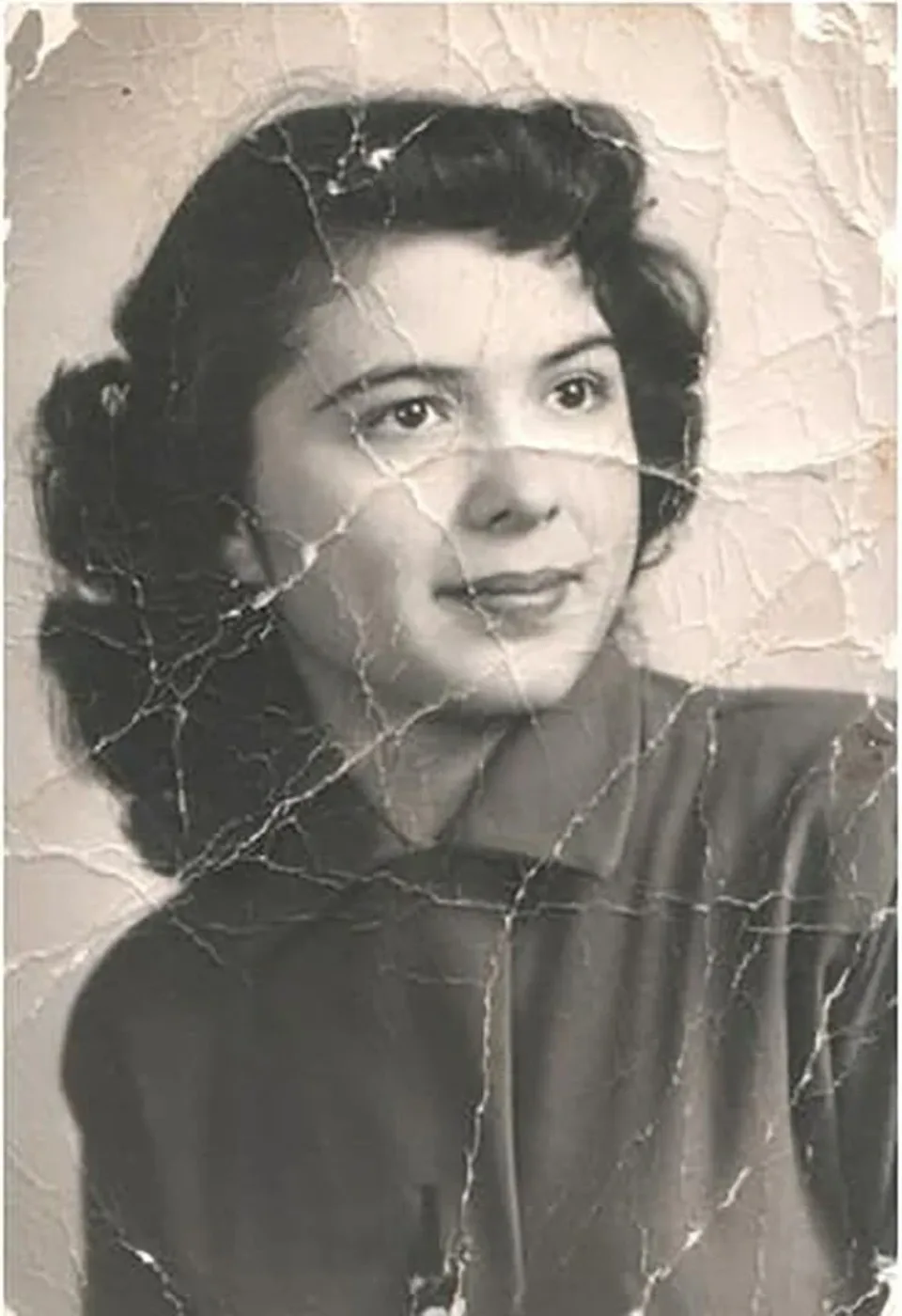
Scratches, creases, stains, and faded emulsion are repaired conservatively — nothing is invented, no faces are repainted. The finished photo is returned in careful, historically plausible color.
The restored preview is free — one free preview per day. Digital file €4.99 · canvas from €69.99. You pay only after you see it.
Add a photo to begin.
Portrait Union restores an old photograph from a scan or a phone photo of the print: an image model repairs scratches, creases, stains and fading and returns the picture in colour, at its own proportions. One watermarked preview arrives in under a minute, free, with no account. The restored file costs €4.99; a canvas starts at €69.99.
Old photo restoration repairs the physical damage a print has collected over the decades — scratches, creases, stains and the slow fading of the emulsion — and then returns colour to the scene. The subject is not changed. What you receive is the photograph you already have, cleaned, steadied, and finished the way a careful hand-colourist would have finished it at the time.
What restoration repairs
Most damage on an old print is on the surface or in the chemistry, not in the image itself. The restoration works through the common kinds:
- Scratches and dust — the fine lines and specks from years in a drawer or an album sleeve.
- Creases and folds — the pale break lines where the paper was bent, including the ones that run across a face.
- Stains and foxing — water marks, tape residue, and the brown spotting that damp brings on.
- Silvering and fading — the metallic sheen in dark areas and the general loss of contrast as the print ages.
- Colour — black-and-white prints are coloured; faded colour prints have their original tones brought back.
Two of those go deeper than this page can. Colourising a black-and-white photograph is about what the colour can and cannot know, and repairing a damaged photo is about where the line falls between damage that is repaired and a part of the picture that is genuinely gone.
What it never invents
A restoration is only worth keeping if it is still your photograph. So faces are repaired, never redrawn: a blurred face stays a little soft rather than becoming a sharper stranger. A missing corner is not filled in with a guess at the room. Nobody is added, removed or moved. Colour is kept conservative — plausible skin, hair and daylight rather than saturated invention — because a quiet result ages better on a wall than a loud one.
How to photograph or scan an old print
- Take the print out of its frame or sleeve and lay it flat. A book on each edge holds a curled print down.
- Use even daylight from a window, not direct sun. Turn the flash off; it puts a bright patch on the paper.
- Hold the phone straight above the print and fill the frame with it, edges included.
- If you have a scanner, scan at 600 dpi and save as JPG or PNG. A phone photo is fine if you do not.
- Check the file is JPG, PNG or WebP and under 15 MB. HEIC from an iPhone needs converting first.
What you get
A restored photograph costs €4.99 as a watermark-free digital file, after a free preview. Upload the print and, in under a minute, you see one low-resolution restored preview with a watermark. That preview is free — one per visitor per day — and it needs no account. The private link to it closes 48 hours after upload.
The free preview is watermarked and low resolution, with 400 px of detail on the long edge. Your watermark-free restoration is delivered at the resolution the restoration model produces, about 4 megapixels, and is enlarged separately for canvas prints; the exact download dimensions and any restoration crop are shown beside your preview before payment. Only print sizes that keep the combined restoration and print crop within 6.5% of the original upload are offered. Pixel dimensions do not guarantee newly recovered detail. The sizes available for your photograph appear beside its preview, including portrait, landscape and square options where they fit. Framed canvases come in Black, Dark brown or Natural wood. Prints start at €69.99 with shipping included to 35 countries, take 3–5 business days to make, and are best allowed two to three weeks to arrive.
Show her the photo in colour
The photographs that come through here usually belong to somebody else: the wedding picture from a shoebox, the one surviving portrait of a mother as a girl. Whoever owns it has looked at it a thousand times in grey and has never seen the dress.
You do not need the original to do this. A phone photo of the print, taken at their house, is enough, and the restored preview comes back in under a minute, so this is an evening rather than a project. The gift is the moment you show it to them.
What makes it something to hand over is the canvas. The photograph is shown with any required crop before you pay. Prints start at €69.99 with shipping included and the digital file in the price, and at checkout you can send it straight to their address instead of your own.
Questions about restoration
Does it work on a phone photo of a print, or do I need a scanner?
A phone photo is fine and is how most people send us their prints. Lay the print flat in even daylight, switch the flash off, and fill the frame. A scan at 600 dpi gives a little more detail for the largest prints, but it is not required.
Will the faces change?
No. Restoration repairs damage across the print and returns colour; it does not redraw features, sharpen a face into someone else, or add detail that the original never held. If a face is too damaged to read, that part stays soft rather than being invented.
How accurate is the colour on a black-and-white photograph?
It is plausible, not documented. Skin, hair, sky and foliage follow how such things usually look; the colour of a dress or a wall is a reasoned guess. We keep the colour conservative so nothing looks painted on, and you see the free preview before you decide.
Can it restore a photograph with several people in it?
Yes. Every person is restored in the same pass. A small crop may be needed; check the crop and finished composition beside your preview before paying. The more of the print each face occupies, the more detail it can carry.
What about torn or missing parts?
Scratches, creases and tears that run across an intact image are repaired. A missing corner or a torn-away face is a different case: we do not invent what was there, so the missing area is left plain or the picture is cropped to what survives.
What resolution is the finished file?
The free preview is watermarked and low resolution, with 400 px of detail on the long edge. Your watermark-free restoration is delivered at the resolution the restoration model produces, about 4 megapixels, and is enlarged separately for canvas prints; the exact download dimensions and any restoration crop are shown beside your preview before payment. Only print sizes that keep the combined restoration and print crop within 6.5% of the original upload are offered. Pixel dimensions do not guarantee newly recovered detail.
How much does old photo restoration cost?
The restored preview is free and watermarked. The watermark-free file costs €4.99. A gallery canvas starts at €69.99 and a framed canvas at €129.99, with shipping to 35 countries and the digital file included. A restoration keeps its own proportions, so upright, landscape and square sizes are offered — whichever stay within a 6.5% crop of your original.